



Advancing Environmental Sustainability: Practices and Innovations in Industrial Wastewater Treatment and Management
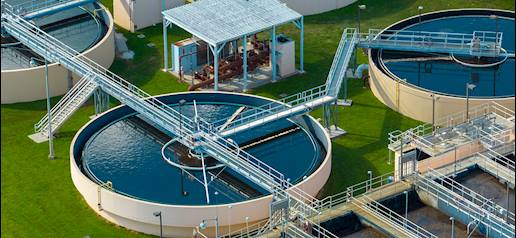
Unlike domestic wastewater, which typically undergoes treatment in municipal facilities, industrial wastewater often contains higher concentrations of pollutants, including heavy metals, toxic chemicals, organic and inorganic compounds. Without proper treatment, industrial wastewater can have detrimental effects on aquatic ecosystems, soil quality, and public health.
Wastewater treatment is a critical process in addressing such environmental challenges. According to Federation, W. E. (2020), wastewater treatment refers to the employment of physical, chemical, and biological processes to eliminate pollutants from wastewater before its discharge into a water body. This treatment not only safeguards water quality but also protects ecosystems and human health. By removing harmful substances, as well as reducing the biochemical oxygen demand (BOD) and chemical oxygen demand (COD) levels, wastewater treatment helps mitigate the impact of industrial activities on natural water bodies, thus promoting environmental conservation. Industrial wastewater management is not only a regulatory requirement but also a moral imperative in preserving our environment for future generations.
By implementing effective wastewater treatment solutions and embracing sustainable practices, industries can minimize their ecological footprint and contribute to a cleaner, healthier planet. As mentioned by Ranade .V, industrial wastewater treatment, recycling, and reuse is an important theme in today’s context, not just to protect the environment from pollution, but also to conserve water resources so that water stress is reduced. As we strive towards a more sustainable future, prioritizing responsible waste management practices is essential in preserving our natural resources and ensuring a thriving ecosystem for generations to come.
Wastewater treatment involves three main stages: primary, secondary, and tertiary treatment. Primary treatment focuses on physical processes to remove large solids through screening, sedimentation, and flotation. Secondary treatment employs biological processes like activated sludge, trickling filters, or Membrane Bio Reactors (MBR) to further break down organic matter and remove suspended solids and reduce pollution loads. Tertiary treatment, the final stage, utilizes advanced processes such as filtration, disinfection, and nutrient removal to polish the effluent and meet stringent quality standards before discharge or reuse. In addition to these stages, Zero Liquid Discharge (ZLD) systems employ a fourth stage known as concentrate management. This stage focuses on effectively handling the concentrated brine or residual solids generated from the evaporation process in the previous stages. The fourth stage of ZLD plays a crucial role in completing the waste management cycle and achieving sustainable water reuse practices while minimizing the environmental footprint of industrial operations.
The primary treatment focuses on physically removing large solids and organic matter. Various methods such as screening, sedimentation, flotation, hydrocyclones, and CPI/API separators are utilized in this stage. Screening involves the removal of large objects to prevent equipment damage, while sedimentation allows suspended solids to settle out under gravity, forming a sludge layer. Dissolved Air Flotation (DAF) process then employs air bubbles to separate fine solids and oils from the wastewater. DAF involves the introduction of air bubbles to float suspended solids to the surface for removal.. Hydrocyclones, on the other hand, are used to segregate solids from liquids based on their density differences, while CPI/API separators eliminate suspended solids and oil droplets from wastewater through gravity separation. Besides these traditional methods, innovative technologies like Dissolved Air Flotation (DAF) and Electrocoagulation (EC) are also employed to enhance primary treatment. EC utilizes an electrical current to destabilize contaminants, causing them to agglomerate and settle out. Some of the benefits of electrocoagulation include “significant removal efficiency, reduced retention time, and it refrains from additional coagulant loading.” (Priya, 2020) EC is also environmentally friendly, avoiding the use of any chemicals during its process. These technologies improve the efficiency of primary treatment processes by effectively removing contaminants and reducing the load on subsequent treatment stages. By integrating these advanced technologies, wastewater treatment plants can not only achieve higher treatment efficiencies, but also reduce environmental impact and optimally comply with regulatory standards.
Secondary treatment is a pivotal phase in wastewater treatment, aimed at further reducing the organic load and suspended solids present after primary treatment. This stage deploys biological processes such as activated sludge, trickling filters, moving bed biofilm reactors (MBBRs), sequencing batch reactors (SBRs), and membrane bioreactors (MBRs) to enhance water quality. These biological treatment methods harness the power of microorganisms to metabolize organic pollutants, breaking them down into harmless byproducts like carbon dioxide and water. Additionally, advanced technologies like membrane aerated biofilm reactors (MABRs) are increasingly integrated into secondary treatment processes. These methods effectively remove pollutants, ensuring compliance with environmental regulations and safeguarding public health.
Tertiary treatment, the final phase of wastewater treatment, involves advanced processes like Reverse Osmosis (RO), Ultrafiltration (UF), Nanofiltration, and Ceramic Filtration. These methods effectively remove remaining suspended solids, microorganisms, bacteria and Total Dissolved Solids from the wastewater, ensuring high-quality water suitable for various applications. Additionally, tertiary treatment plays a pivotal role in achieving Zero Liquid Discharge (ZLD) by integrating the fourth stage of treatment. This stage utilizes Evaporators and Agitated Thin Film Dryers (ATFDs) to concentrate and recover water from the wastewater stream, minimizing liquid waste discharge. A multiple-effect evaporator is an apparatus that efficiently uses the heat from steam to evaporate water (Ahirrao, 2014). Evaporators leave behind concentrated brine for disposal or reuse. ATFDs further concentrate the brine through gentle heating and vaporization, ensuring minimal environmental impact. By incorporating ZLD principles into tertiary treatment processes, wastewater treatment plants can maximize water reuse and minimize waste generation, further contributing to environmental sustainability.
In this context, Estedama Environmental Solution emerges as a leader in providing comprehensive wastewater management solutions. With a strong focus on innovation and sustainability, Estedama is well-equipped to handle various types of wastewater, with a large focus on industrial streams. Through strategic partnerships and the adoption of cutting-edge technologies such as electrocoagulation and advanced membrane-based treatments, the company ensures efficient and effective treatment of wastewater while adhering to stringent environmental regulations.
In conclusion, wastewater treatment is a critical process for environmental sustainability, and each stage, from primary to tertiary treatment, plays a vital role in producing a high-quality effluent. Additionally, the implementation of Zero Liquid Discharge (ZLD) principles underscores the commitment to minimizing environmental impact and maximizing water reuse. Estedama’s expertise in wastewater management, combined with its dedication to environmental stewardship, positions it as a reliable partner in addressing the challenges of wastewater treatment in the Oil & Gas industry and beyond. By leveraging its capabilities and embracing sustainable practices, Estedama continues to play a pivotal role in promoting water conservation, protecting natural resources, and fostering a cleaner and healthier environment for future generations.