



Environmental Services
Our wide range of environmental services aim to help our clients meet their sustainability goals and KPIs.

Our services aim to help our clients
Upon assessing clients’ initial goals and requirements, we can develop plans to best ensure environmental conservation and minimize their carbon footprint.
Our Environmental Services include:

Wastewater Treatment
Wastewater is generated from a range of industries and activities, including oil and gas operations, mining, manufacturing and more.
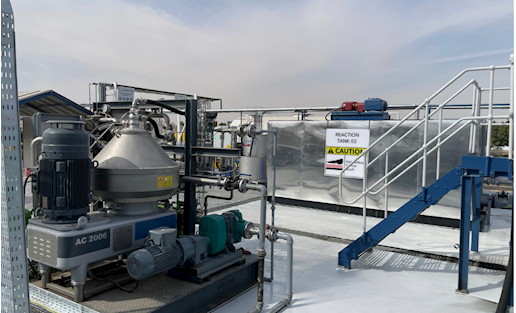
At our wastewater treatment facility, we have the expertise and technology to treat wastewater coming from various sources, including oil and gas production plants, gas and oil separation plants (GOSP), drilling sites, well construction and completion activities, manufacturing activities, and other industrial processes. The wastewater can contain a range of contamination, such as hydrocarbons, heavy metals, and organic compounds, that pose environmental and health risks. Our wastewater treatment services use advanced technologies and processes to effectively remove contamination from wastewater and ensure that it meets regulatory requirements for discharge or reuse. We offer customized treatment solutions based on the specific type and composition of the wastewater, which may include physical separation, ultra-filtration, chemical treatment, and advanced oxidation. Our experienced team of engineers uses industry-leading equipment and smart tools to monitor the treatment process and ensure that the wastewater is treated safely and efficiently. We further design, build, and operate wastewater treatment processes at plants at clients’ locations and offer mobile wastewater treatment packages to treat wastewater at the source.

Contaminated Soil Remediation Services
Contaminated soil can arise from various sources, including accidental spills, gas flaring operations, leaks from underground or above ground storage tanks. Contaminated soil can have a significant negative impact on the environment and human health if not properly managed.
Contaminants in the soil can leach into groundwater and surface water, leading to the contamination of drinking water sources and aquatic ecosystems. The toxins and chemicals in the soil can also harm plants, animals, and other organisms that rely on the soil for habitat or food. In addition, contaminated soil can emit harmful gases and particulate matter into the air, which can cause respiratory problems and other health issues for nearby communities.
Our contaminated soil remediation services use advanced technologies to effectively remove and treat contaminants from soil, through washing, physical separation, and chemical treatment processes. Physical separation methods are used to separate the contaminants from the soil, while chemical treatment involves adding green solvents to the soil to break down and remove the contamination. Our technicians and engineers use top-tier equipment and software to monitor the remediation process and ensure that the contaminated soil is treated safely and efficiently. We follow strict regulatory requirements to ensure that all contaminants are properly treated and recycled.

Oily Sludge Recycling
In the oil and gas industry, oily sludge can be generated from several sources, including crude oil storage tanks, vessels, evaporation ponds at GOSP sites, oil plants, and refineries.
Recycling oily sludge provides several benefits, including reducing waste and minimizing the environmental impact of industrial processes, recovering valuable resources, reducing the cost of waste disposal, and promoting a circular economy. Our oily sludge recycling services effectively separate and recycle the oil and other valuable components from the sludge. We utilize a multi-stage process that includes pretreatment, chemical treatment, heating, and three-phase separation, following the latest industry standards and best practices.
Mobile Recycling Plant
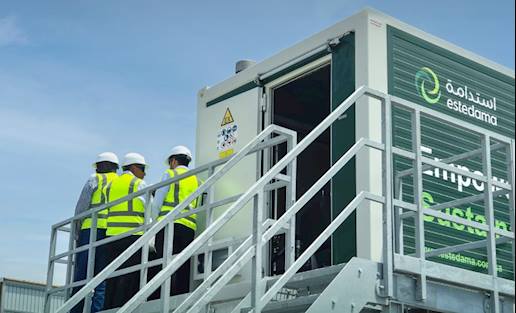
We also offer a fully mobile recycling plants that can be mobilized to our clients locations and recycle the oily sludge at source, to eliminate high transportation costs and reduce disposal's environmental impact.

Flare Pits Rehabilitation
Flare pits are a common feature of oil and gas facilities, rigs, and rig-less sites, where gas is burned off to prevent the release of harmful pollutants into the atmosphere or to monitor the gas production from a well.
Over time, flare pits can become contaminated with oil, chemicals, flowback water, and other hazardous materials. Our flare pits rehabilitation services involve the use of processes to effectively identify, remediate, and restore contaminated flare pits to a safe and usable state. We utilize a multi-stage process that includes site assessment, soil remediation, and site restoration, customized based on the specific type and the extent of the contamination.

Evaporation Ponds Rehabilitation
Evaporation ponds are used in oil and gas plants as a discharge solution in case of emergency or for excess processed water, treated water or oily water and oil.
Over time, the concentrated wastewater, along with the solids, can lead to oily sludge accumulation at the bottom of the ponds, reducing their capacity. We can assist our clients with effectively managing and remediating contaminated evaporation ponds. Our services include site assessment, water and sludge removal, liner inspection, and liner replacement.
Chemicals Management and Hazardous Materials Warehousing
Hazardous waste management is the process of handling, transporting, treating, and disposing of hazardous waste materials in a safe and environmentally sound manner.
The advantages of proper hazardous waste management include protecting public health and the environment, reducing the risk of accidents and spills, while complying with applicable regulations. Effective solutions for hazardous waste management include source reduction, recycling, treatment, and disposal.
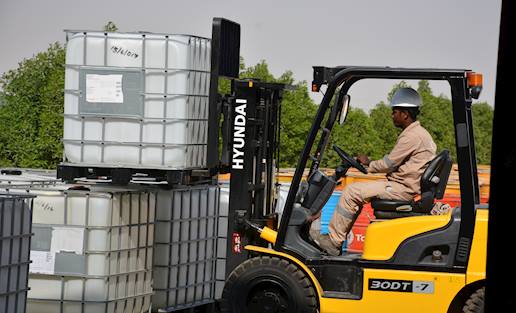
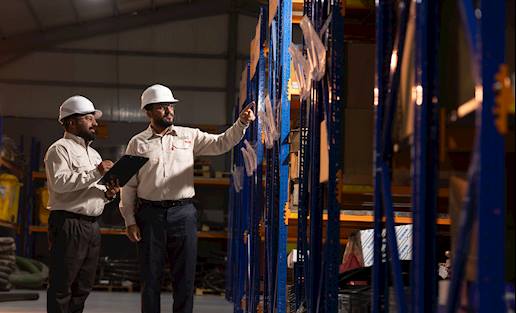
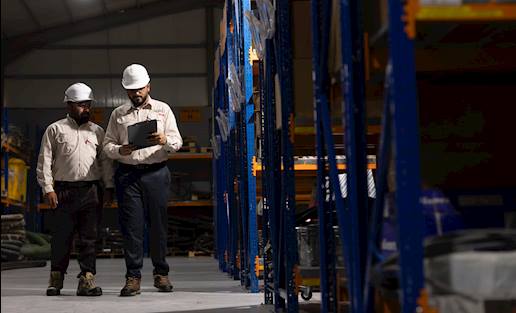
Our chemicals management and hazardous materials warehousing services provide a comprehensive range of solutions for managing hazardous waste in different work areas such as laboratories, research centers, warehouses, and terminals. These solutions include proper labeling, tracking, and handling of hazardous materials, as well as storage, transportation, and disposal services.
Facility Management
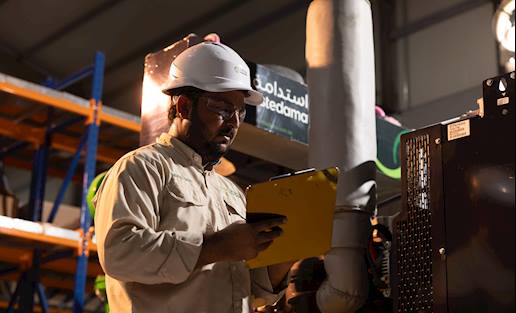
Facility management is crucial in small, medium, and large-scale plants, as it involves managing complex systems and infrastructure to ensure that they operate efficiently and effectively.
Proper facility management can help reduce operational costs, increase productivity, and improve the safety and comfort of all parties involved. However, managing large-scale plants can be a complex and challenging task, requiring expertise in various fields, including engineering, finance, and environmental management.
We can offer a range of facility management services to help you manage your facilities effectively and efficiently. Our services include waste minimization planning and environmental studies, as well as general waste services such as waste collection, transportation, and recycling. Spill response planning and training also exist in our service packages. All our services come with technological solutions that help our clients reach their goals in an affordable, efficient manner.